Plaster and Drywall Repair
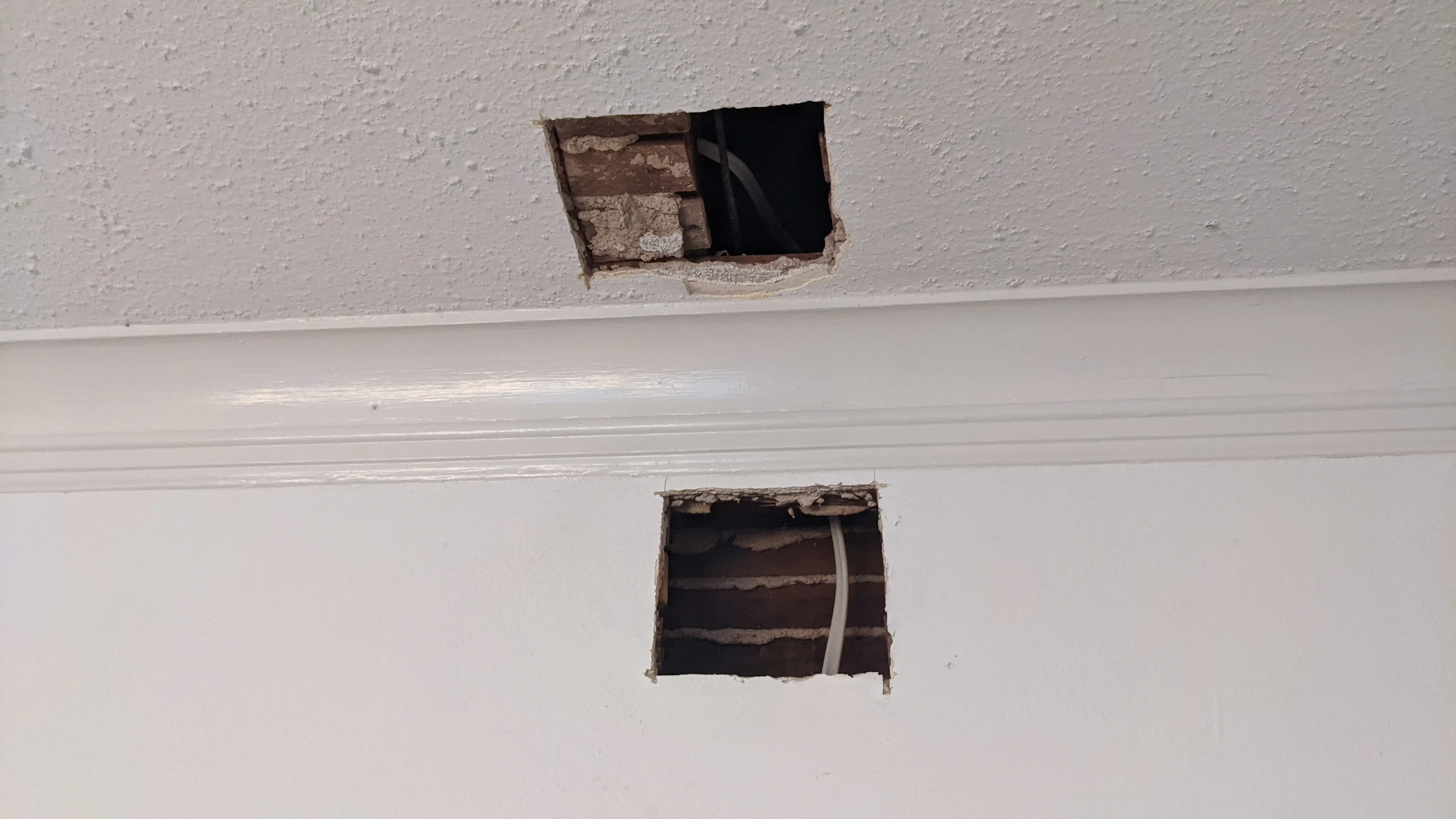
Plaster & Drywall Repair
Things shift, cracks appear, and sometimes walls just don't cooperate. Whether it's a sneaky leak or wood expanding and contracting with the seasons, plaster and drywall repairs are a standard part of any interior painting project . Because let's be honest - paint looks best on a smooth, well-prepped surface.
Plaster & Drywall Repair — Quick Facts
Crack stitching, skim patches, and texture blending. Dust-controlled work with tidy daily cleanup.
- Timeline
- 1 working days
- Typical Price
- $800–$3500
- Warranty
- 1-year workmanship on repairs
- Prep
- ZipWall containment & floor protection, HEPA sanding where feasible, Primer sealing (BIN/Gardz as needed)
- Coatings
- Zinsser BIN / Gardz (primers as needed), Ben Moore Regal / SW Cashmere (topcoats)
- Includes
- Small holes, stress cracks, corner beads, Blend texture to adjacent surfaces
- Excludes
- Structural movement issues, Full-home skim coats (quoted separately)
- Service Area
- Kansas City MO, Prairie Village KS, Neighborhoods: Brookside, Valentine, Hyde Park, Mission Hills KS, Fairway KS, Westwood KS
Repairing Traditional Plaster
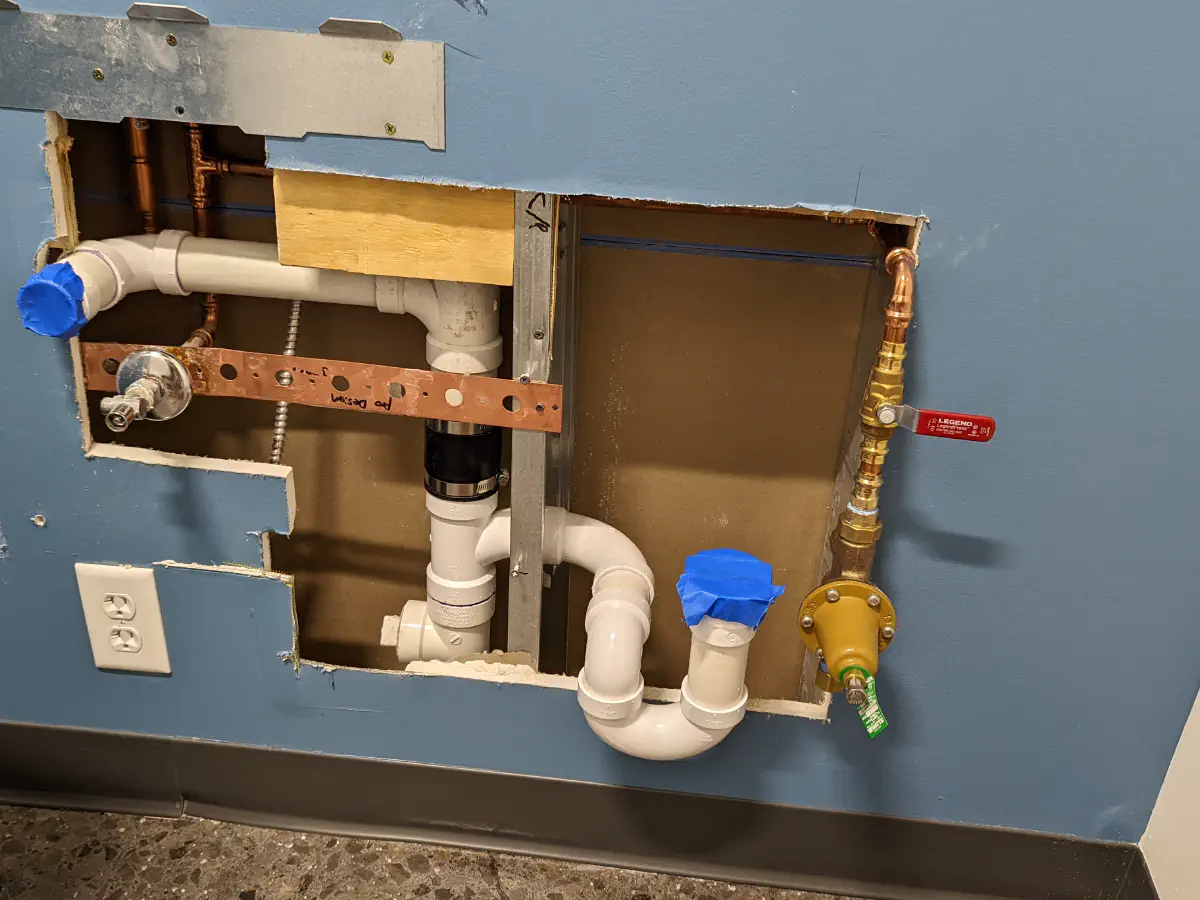
Time-tested techniques like plaster washers, patching compounds, and bonding agents can restore damaged plaster without compromising its integrity. Often, large hole patches (say, after a plumber finishes) will involve techniques from both traditional plaster and drywall.
Repairing Drywall
Drywall repairs start with secure screws and proper bracing. Setting-type joint compound provides strength and durability, while joint tape reinforces seams and prevents future cracking.
Plaster Repair Process
Seal the Area to Help Prevent Dust Migration
Plaster repair creates fine dust that can settle everywhere if not properly contained. We seal off the work area with plastic sheeting and zipper doors to keep the mess where it belongs.
Tape ‘n Tarp to Protect Your Possessions
Floors, furniture, and fixtures are carefully covered with drop cloths and plastic sheeting to keep dust and debris from settling on your belongings.
Firmly Fasten Loose Plaster
If plaster has separated from the lath, it needs to be reattached before repairs begin. This is done using plaster washers and screws to secure the loose areas and prevent future movement.
Nail Pops Too
As buildings settle, nail pops — small bumps where nails push through drywall or plaster — can appear. These are set back into place, secured, and properly patched.
Paper Tape Helps Prevent the Crack from “Telegraphing” Through
To prevent cracks from returning, paper tape is embedded in joint compound to reinforce the repair and prevent movement from re-exposing the damage.
Skim and Sand Smooth for a Seamless Appearance
The final step is a smooth, seamless finish. Multiple thin coats of joint compound are applied and sanded between layers to blend the patch perfectly into the surrounding surface before priming and painting.
Plaster and Drywall Terms
- Joint Compound (Mud) – A paste used to fill seams, holes, and imperfections in drywall.
- Tape – Paper or mesh material applied over seams to reinforce drywall joints.
- Sanding Sponge – A flexible sanding tool used to smooth joint compound.
- Drywall Screws – Special screws with coarse threads for attaching drywall to studs.
- Studs – Vertical wooden or metal framing members that support drywall.
- Corner Bead – A metal or plastic strip that creates sharp, straight corners.
- Mesh Tape – Self-adhesive fiberglass tape used to reinforce seams.
- Paper Tape – A traditional tape for drywall seams that requires joint compound.
- Blueboard – A type of drywall designed to bond with plaster finishes.
- Skim Coat – A thin layer of joint compound or plaster applied for a smooth surface.
- Popcorn Ceiling – A textured ceiling finish that was once popular in older homes.
- Knockdown Texture – A drywall finish where the texture is slightly flattened after application.
- Level 5 Finish – The highest-quality drywall finish, including a full skim coat.
- Plaster Keys – Small ridges of plaster that hold it onto wooden or metal lath.
- Drywall Anchor – A device used to securely attach screws to drywall.
- Lath – Thin wooden, metal, or gypsum strips that hold plaster in older walls.
- Crown Molding – Decorative trim installed at the intersection of walls and ceilings.
- Drywall Knife – A tool used to apply and smooth joint compound.
- Texturing – Applying a decorative finish to drywall using tools like brushes or sprayers.
- Plaster Patch – A repair technique for fixing small cracks or holes in plaster.